Jalapeño Pepper
Capsicum annuum
Overview
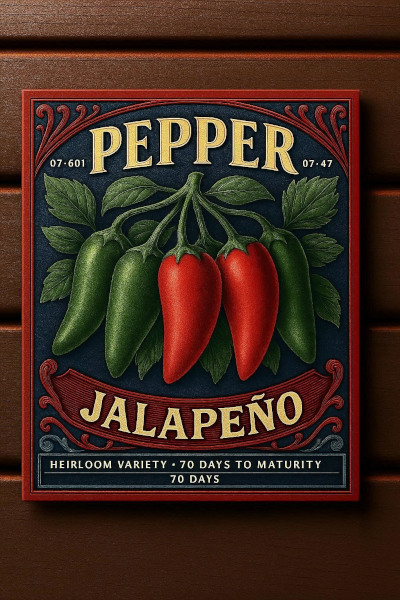
The World's Most Popular Chili
The Jalapeño pepper is the backbone of Mexican and Tex-Mex cuisine, offering a versatile heat level that is generally approachable for most palates. Measuring between 2,500 and 8,000 Scoville Heat Units (SHU), it provides a pleasant warmth without overwhelming the dish. It is identifiable by its dark green, thick-fleshed fruit, which typically measures 3 to 5 inches long.
These plants are typically compact and bushy, making them ideal for container gardening as well as in-ground planting. They are prolific producers, often yielding dozens of peppers per plant throughout the growing season.
Flavor and Texture
The flavor is bright, crisp, and vegetal, making it perfect for slicing onto nachos, pickling, stuffing, or adding raw to salsas.
General Grow Information
| Property | Value |
|---|---|
| SHU Rating (Scoville) | 2,500 – 8,000 |
| Use | Stuffing, Pickling |
| Plant Height | 24-30 in |
| Plant Spacing | 18-24 in |
| Row Spacing | 30 in |
| Sunlight Needs | Full Sun (6+ hours) |
| Sprouting Time | 7-10 days |
📜 Plant Folklore & Mythology
Discover the history and lore associated with Jalapeño Pepper:
- Chili Pepper: Love, Lust, and Fidelity
- Chili Pepper: Spiritual Cleansing and Sacrifice
- Chili Pepper: Warding Off the Evil Eye
- Chili Pepper: Pepper as Punishment
- Chili Pepper: From the Gods' Garden
- Chili Pepper: The Divine Fire
- Chili Pepper: Trials of the Tongue
Interested in plant mythology and cultural history? Explore our full Folklore Index
Plant Care and Cultivation
- Soil & Fertilization: Use rich, well-draining soil. Peppers benefit from high phosphorus and potassium (low nitrogen) fertilizers, especially once they begin flowering, to encourage fruit set.
- Consistent Moisture: Keep the soil consistently moist but never waterlogged. Excessive drying followed by heavy watering can stress the plant and lead to blossom drop.
- Boost the Heat: To increase the pepper's heat (Scoville rating), reduce watering slightly a week or two before harvest. Mild water stress can concentrate capsaicin production.
- When to Harvest: Jalapeños are typically harvested when they reach full size and are dark green. They can be left on the vine to turn red, which slightly increases sweetness and heat, but reduces overall plant yield.
Drying and Smoking
Jalapeños are often smoked (Chipotles) to preserve and deepen their flavor. Dry until brittle.