Chili Pepper: The Divine Fire
The bright colors and intense burn of a chili pepper have always suggested a connection to something beyond the ordinary: the power of the sun itself. Long before scientists understood capsaicin, ancient peoples interpreted the pepper's heat as a gift or a spark of energy from the cosmos. The chili wasn't just a food; it was a living embodiment of the element of fire, a tangible piece of divine solar energy grown right in the earth. This powerful symbolism made the pepper central to creation myths and rituals aimed at honoring the fiery forces that governed life, energy, and the very growing cycle of the sun.
This fiery association is strongest in Mesoamerican traditions, where the chili pepper, native to the region, was deeply integrated into religious life. The Aztecs, for example, linked the pepper's burning nature directly to their Sun God, Huitzilopochtli, who represented the fiery power of the midday sun. Offering chili peppers, either burned as incense or presented raw, was a way to appease or honor this powerful deity. The consumption of chilies could also be seen as an act of consuming the sun's energy, providing internal strength and vitality. The brilliant reds and yellows of the ripened fruit were seen as reflections of the sun’s rays, reinforcing its status as a sacred solar gift.
The ability of the chili to produce smoke and a pungent vapor when dried and tossed onto coals also gave it a ritualistic role. Unlike sweet incense, the chili's acrid smoke was used specifically for purification and spiritual clarity. In some Andean cultures, burning chilies might be used during harvest festivals to symbolically clear the air of lingering winter stagnation or bad influences, ensuring the sun would shine brightly on the new crops. This fiery smoke was not just an offering; it was a potent cleansing agent, believed to drive out minor demons or unwanted spirits using the sheer force of its intensity.
Moving away from the purely divine, the chili’s "fire" also became linked to human emotions, especially passion, courage, and lust. The internal burning sensation was often interpreted as an awakening of internal fire or a physical manifestation of desire. This led to its frequent use in folk magic for love spells. A person might be given food spiced with a specific chili to "spark" their interest, or a pepper might be worn to increase one's own boldness and fiery temperament. In this context, the chili served as a symbolic amplifier, focusing the energy of the sun and fire into the realm of human emotion and drive.
The chili pepper is a simple fruit that carries the weight of celestial mythology. Whether it was used to honor sun gods, clear away spiritual debris, or ignite the flames of human passion, its defining trait—the heat—was the universal language that connected it to the element of fire. This ancient lore reminds us that the spice we casually toss into a dish was once viewed as a tangible piece of the solar sphere, ensuring the chili pepper will forever be remembered as the culinary incarnation of divine fire.
Related Plants & Seeds
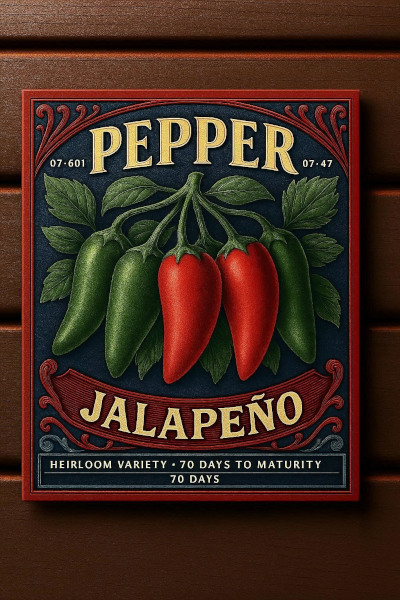
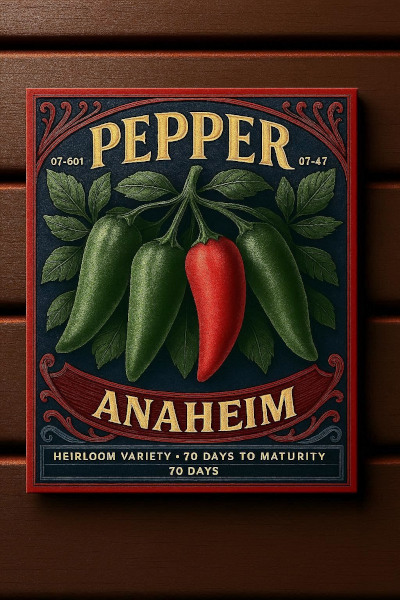
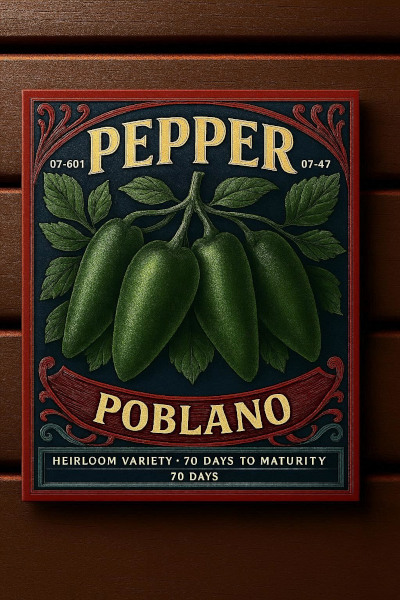
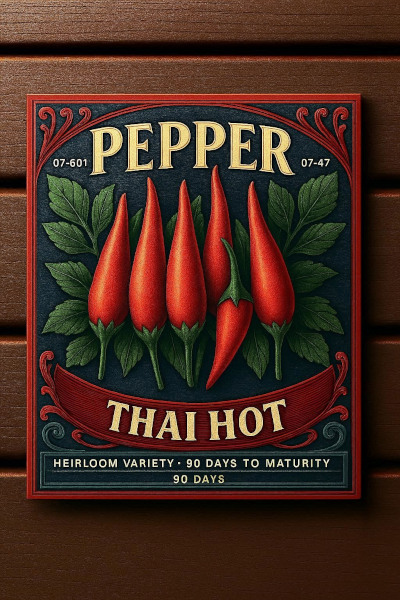
This entry is tied to the history and lore of the following plants in our catalog. Click to view their full profile, guides, and seed options: