Chili Pepper: From the Gods' Garden
The chili pepper, or chilli as it was known in ancient Nahuatl, has a history that stretches back thousands of years, but its story truly begins in the mythical realm of the gods. In the eyes of the indigenous civilizations of Mesoamerica, a plant this vibrant, potent, and paradoxically painful could not have simply evolved—it had to be placed in the hands of humanity by divine intention. Origin myths across the region served not only to explain the chili's existence but also to justify its unique heat, providing a spiritual context for its consumption. The pepper was viewed as a deliberate creation, connecting the daily culinary act of eating with a powerful divine origin.
Various traditions point to specific gods responsible for bestowing this gift upon early humans. For instance, some Mayan legends suggest the chili was once a mild fruit, only gaining its fiery properties after being touched by the spirit of a volcano or a thunder god. In Aztec mythology, the pepper was closely associated with agricultural deities like Xilonen, the goddess of young maize, or even sometimes with the trickster god, Huehuecoyotl, implying a gift that brought both flavor and chaos. This powerful association ensured that the cultivation and harvesting of chilies were always accompanied by prayers and offerings, paying homage to the Aztec and Mayan deities who first introduced the fruit.
A recurring theme in these origin stories is the explanation for the burning sensation. Why would a benevolent god give humanity food that causes pain? The folklore often dictates that the chili was either a test or a consequence. In one narrative, the gods deliberately left the milder, more desirable foods for themselves and gave the hot pepper to mortals as a lesson in self-control and austerity. By forcing humans to master their reaction to the heat, the gods taught them patience, moderation, and endurance. The heat, therefore, was not a defect, but a built-in mechanism for spiritual discipline.
Once it descended from the realm of the gods, the chili quickly became one of the most important elements of daily life. Its status as a divine gift meant it was used everywhere, from currency and medicine to religious incense. It was an essential component in the creation of sacred cacao drinks and was used in fasting rituals—where one would abstain from its use as a sign of penance. The mythological explanation of its origin ensured that the chili was treated with reverence, elevating it far beyond a simple foodstuff and cementing its status as a sacred agricultural commodity.
Ultimately, the origin myths of the chili pepper reveal a profound connection between the plant, the gods, and human discipline. The pepper’s intense character ensured it was woven into the very fabric of ancient belief systems, providing a cosmological reason for every sting and every vibrant color. This fiery fruit, once a gift from the celestial realms, continues its role today, carrying an enduring mythological legacy in every dish it spices, reminding us of its profound and powerful genesis.
Related Plants & Seeds
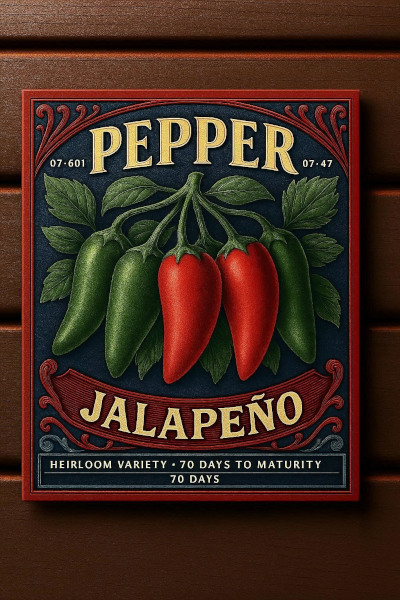
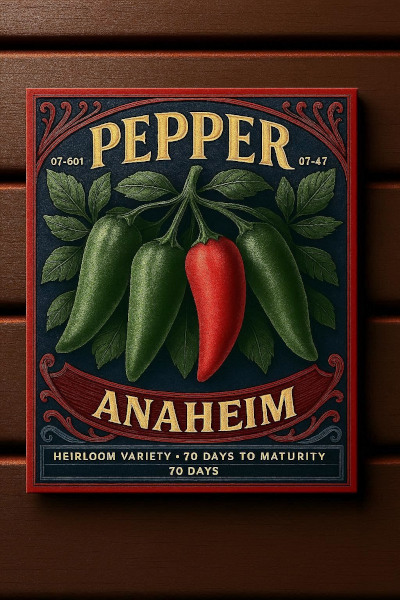
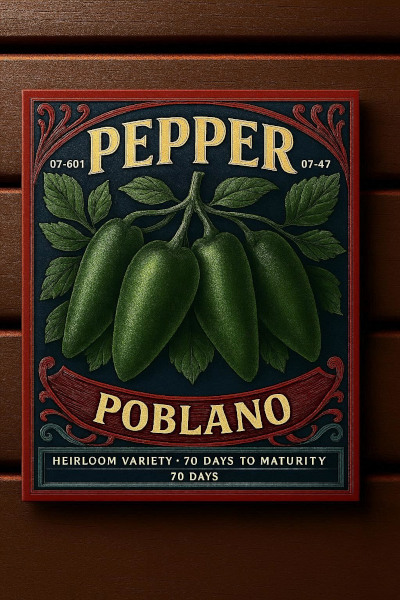
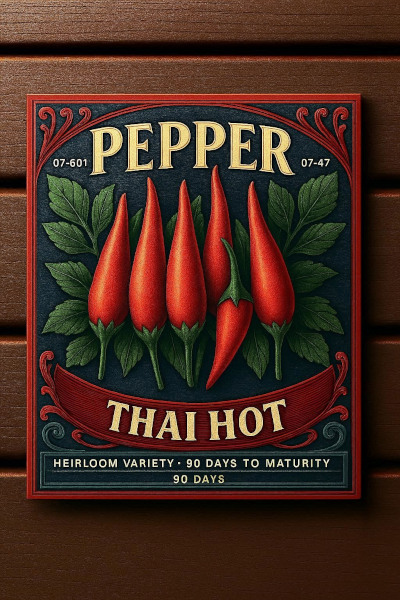
This entry is tied to the history and lore of the following plants in our catalog. Click to view their full profile, guides, and seed options: