Chili Pepper: Warding Off the Evil Eye
The chili pepper is famous for its culinary fire, but its heat has long served a purpose far beyond the dinner plate. Across continents and centuries, this vibrant fruit has been used as a potent talisman against unseen dangers, most notably the dreaded Evil Eye. This powerful curse, stemming from the jealous or malevolent gaze of another person, is believed to cause illness, bad luck, or even ruin crops. Since ancient times, cultures from the Mediterranean to the Americas have recognized the pepper not just as a spice, but as a fiery shield capable of diverting or destroying this invisible threat. The folklore surrounding the chili’s role as a protective charm offers a fascinating look at how common foods are woven into our deepest spiritual anxieties and traditions.
One of the primary reasons the chili pepper was chosen as an amulet lies in its distinct physical characteristics. The fruit’s deep red color immediately links it to the element of fire and passion—energies believed to be powerful enough to repel negativity. Furthermore, the typical conical or pointed shape of many chili varieties naturally mimics the protective symbols used in many traditions. In southern Italy, the red chili pepper is often associated with the corno or cornicello (little horn) amulet. This tradition holds that the pepper’s shape and color act as a visual distraction, drawing the malevolent gaze away from the intended victim and absorbing the curse. It is hung in homes and on cars, symbolizing a fiery distraction that protects the wearer and their possessions.
This tradition of using the pepper as a sentinel is remarkably widespread. In parts of rural Mexico and India, it is common to see strings of dried red chilies, often interspersed with lemons or onions, hanging prominently in doorways or tied to the front bumper of trucks. The placement of these chili amulets is highly strategic—they are positioned where they will be the first things seen by a visitor or passerby. The belief is that the strong visual and physical intensity of the peppers and citrus will intercept and neutralize the bad intentions before they can enter the home or affect the vehicle. It serves as an active barrier, a colorful, spicy declaration that the space is protected.
Beyond its shape and color, the pepper’s internal characteristic—its intense, burning heat—is central to its magical power. The sensation caused by capsaicin is a kind of purification by fire in folk tradition. It is believed that the sheer, aggressive energy of the chili’s heat can metaphorically burn away any lingering bad luck or magical contamination. This belief is sometimes enacted physically: in certain practices, a person suspected of being cursed might hold or rub chilies to transfer the negativity, after which the pepper is quickly disposed of or burned, thus destroying the evil influence in a flash of protective heat. The hotter the pepper, the more potent the magical protection is considered to be.
From hanging a single red pepper in a Neapolitan kitchen to threading long garlands of chilies across thresholds in Southeast Asia, the tradition of using this fiery fruit as a spiritual guard remains strong. The chili pepper stands as a powerful example of an everyday item elevated to sacred status by folklore, valued not just for the flavor it brings, but for the fierce, invisible protection it is believed to provide. It is a humble fruit with a profound history, forever linking the spice rack to the spiritual defense of hearth and home, making the chili a true culinary talisman.
Related Plants & Seeds
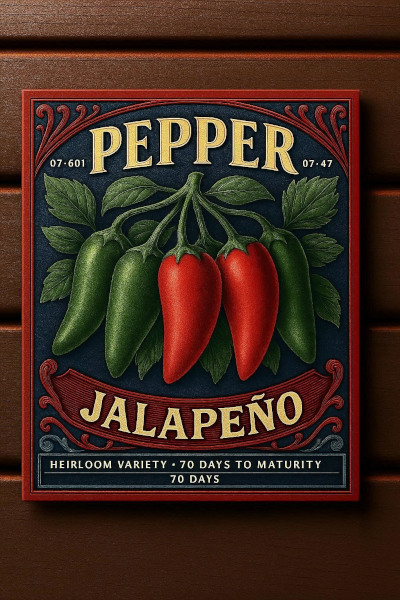
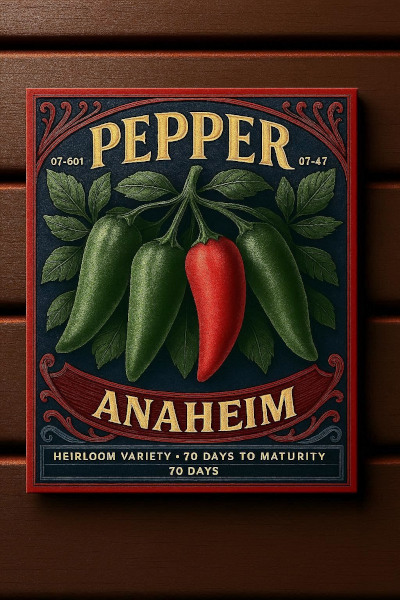
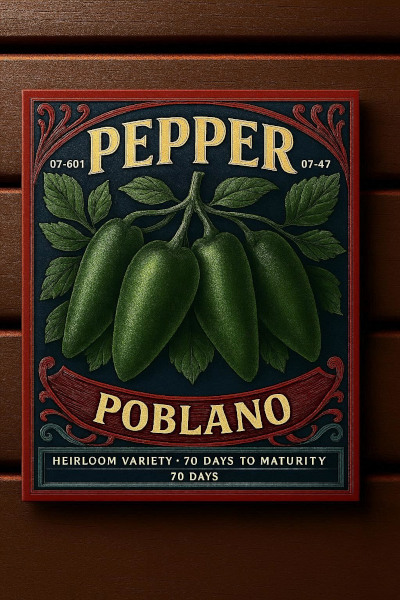
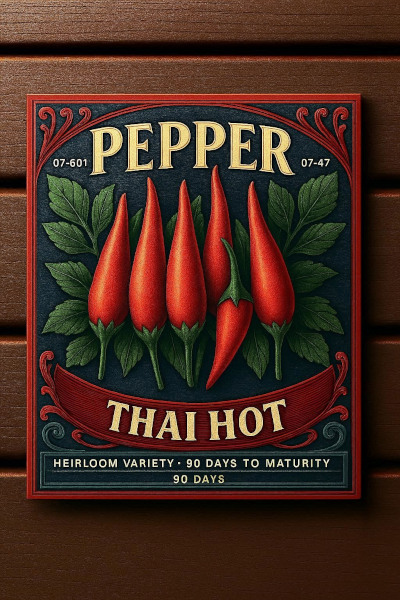
This entry is tied to the history and lore of the following plants in our catalog. Click to view their full profile, guides, and seed options: