Brandywine Tomato
Solanum lycopersicum
Overview
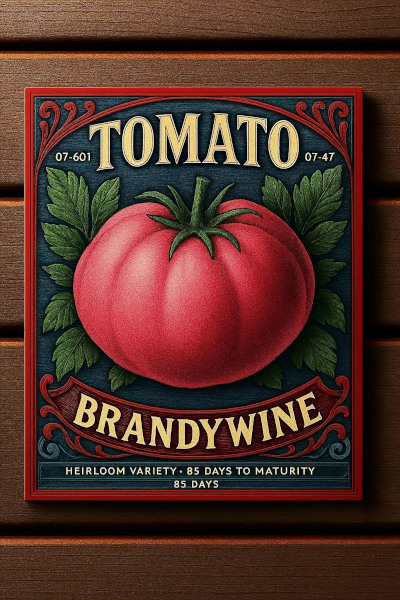
The Gold Standard of Heirloom Flavor
The Brandywine tomato is often cited as the definitive heirloom tomato, celebrated for its complex, savory, and intensely rich flavor that balances sweetness and acidity perfectly. Characterized by its massive size, sometimes reaching over 1.5 pounds, and its irregular, slightly lumpy shape, the Brandywine is an iconic slicing tomato.
This is a true indeterminate variety, requiring a long, warm season and robust support. The plants are large, vigorous, and notoriously late-maturing, but the exceptional, deep-pink fruit is well worth the wait. Gardeners grow Brandywines purely for the quality of the raw eating experience.
Leaf Structure
Brandywine plants are distinguishable by their "potato-leaf" foliage, meaning the leaves are broad, smooth-edged, and slightly thicker than the standard jagged tomato leaf.
General Grow Information
| Property | Value |
|---|---|
| Plant Type | Indeterminate (Heirloom) |
| Foliage | Potato Leaf |
| Plant Height (Indeterminate) | 6-9 ft |
| Plant Spacing | 36-48 in |
| Row Spacing | 60 in |
| Sunlight Needs | Full Sun (8+ hours) |
| Sprouting Time | 7-14 days |
Plant Care and Cultivation
- Ultra-Heavy Staking: Due to the massive fruit size and vine growth, Brandywines require the strongest support possible. Use T-posts, thick rebar, or heavy-duty cattle panel caging.
- Patience for Harvest: These are late-season tomatoes (often 85+ days from transplant). Do not panic if they take longer than others to set fruit. Harvesting before they fully ripen sacrifices their trademark flavor.
- Strategic Pruning: Because the plant is so large, many gardeners prefer to limit the plant to 2–3 main leaders (vines) to focus the plant's energy, resulting in larger, higher-quality individual fruits.
- Rich Soil: Plant in deeply amended soil rich in organic matter. Provide consistent feeding throughout the season, prioritizing a balanced fertilizer until fruit set, then switching to one higher in Potassium (K).
- Foliage: Potato-leaf varieties need good ventilation.