Blue Lake Beans
Phaseolus vulgaris
Overview
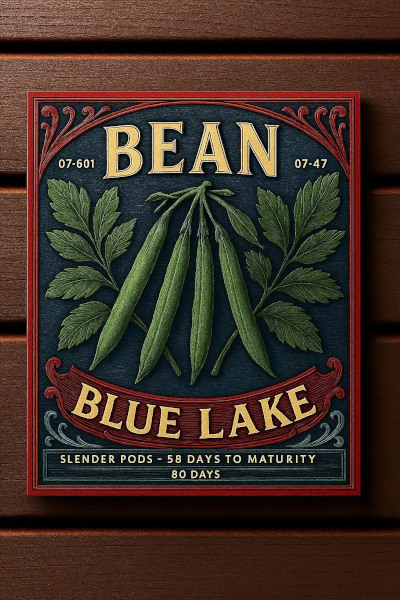
The Definitive Snap Bean for Canning
The Blue Lake bean is arguably the most famous and widely trusted green bean variety in American home gardens, primarily due to its exceptional texture and flavor. The pods are long, straight, stringless, and deliver a classic, savory bean taste. When canned, they retain their color and characteristic crisp "snap," which is why they are the gold standard for preservation.
The Pole variety (the traditional Blue Lake type) is an aggressive climbing vine that produces beans continuously over a long season, unlike the faster-maturing bush varieties. This high yield, combined with its resistance to many common bean diseases, makes it an ideal choice for gardeners aiming for a large harvest.
Texture and Appearance
Blue Lake pods grow 5 to 7 inches long and are smooth, dark green, and uniform in shape. The texture is firm and never mushy when cooked, whether fresh or preserved.
General Grow Information
| Property | Value |
|---|---|
| Type | Pole Bean (Vining) |
| Use | Snap Bean (Fresh) |
| Plant Height (Pole) | 6-8 ft |
| Plant Spacing | 6 in |
| Row Spacing | 36-48 in |
| Sunlight Needs | Full Sun (6+ hours) |
| Sprouting Time | 7-14 days |
Plant Care and Cultivation
- Essential Trellising: Install a sturdy trellis, fence, or tepee structure **before** planting. Pole beans must have support immediately to climb and maximize air circulation and yield.
- Watering: Water regularly, particularly during the flowering stage, but avoid overhead watering to minimize the risk of fungal diseases like rust.
- Harvesting: Harvest beans frequently—at least every two to three days. This encourages the plant to produce new pods continuously. Overgrown beans become tough and slow down production.
- Soil: Avoid high-nitrogen fertilizers. Beans prefer well-draining soil and benefit most from compost or aged manure incorporated at planting.