Samhain: The Witches' New Year and the Final Harvest
The Great End and Beginning
Samhain (pronounced sow-in) is an ancient Celtic fire festival traditionally celebrated from sunset on October 31st to sunset on November 1st. It marks a pivotal moment in the Celtic calendar: the end of the harvest season, the transition to the dark half of the year, and the **Pagan New Year**. It was a time of both profound reverence and necessary preparation for winter, where the survival of the community depended on the bounty they had secured.
The Thinning Veil and Honoring Ancestors
The central theme of Samhain is the belief that the veil separating the world of the living from the Otherworld (or the realm of the ancestors and spirits) becomes impossibly thin. This allowed for communion with deceased loved ones, but also required caution against mischievous or harmful spirits. To honor their ancestors, Celts would set aside portions of the Samhain feast and light fires to guide their spirits home. This practice evolved into the tradition of wearing disguises or costumes, originally meant to trick or evade malicious entities that crossed over from the spirit world.
Plants of Warding and Protection
Plant life played a critical role in both commemorating the dead and ensuring protection when the veil was thin. Certain trees and herbs were strategically placed near homes and paths to keep evil at bay:
- Rowan: Known as the "Witch Tree," Rowan branches were hung over doorways and placed in pockets. Its bright red berries were believed to contain the colour of fire, offering strong protection against enchantment and dark entities.
- Yew: Commonly found in cemeteries, the Yew is deeply connected to death and rebirth. Its durable wood and longevity symbolized eternal life, making it a powerful plant for honoring the dead.
- Thistle: Placed in windows or near doors, the prickly Thistle was used to physically and magically deter spirits from entering the home, relying on its sharp nature as a protective ward.
The Harvest Feast: Sustenance and Divination Plants
The Samhain feast was a ritual in itself, consuming the last of the harvest before the deep winter. The most significant plants included:
- Nuts (Hazelnuts and Walnuts): Nuts were collected and used for divination and fortune-telling. Hazelnuts, in particular, were often used to predict marital matches or future luck by casting them into the bonfire.
- Apples: As the last fruit of the season, apples symbolized the perfection of the harvest. They were central to rituals, sometimes peeled to reveal a long, unbroken strand—a prediction of one's lifespan. Bobbing for apples, a modern Halloween game, is a direct relic of this Samhain divination practice.
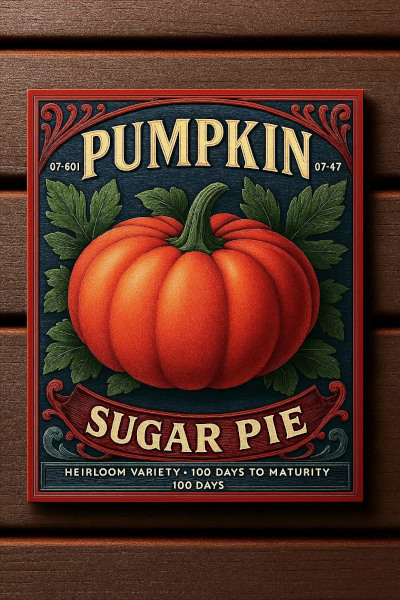
- Gourds and Pumpkins: Although the European tradition originally used turnips, the squash family (pumpkins) has always been tied to the completion of the harvest. They represent the final, preserved bounty of the earth, often decorated to resemble protective spirits or to hold the guiding light of the ancestral fires, leading directly to the modern Jack O'Lantern.
Samhain's Enduring Legacy
From the protective nature of carved gourds to the symbolic feasting of apples and nuts, Samhain traditions form the foundational layer of our contemporary Halloween practices. It serves as a reminder that the shift of seasons, the cycle of death and rebirth, and the power of the plants we grow have always been deeply intertwined with our folklore and spiritual lives. The plants that sustained the Celts are the very same plants that continue to tell the stories of the turning year.
Related Plants & Seeds
This entry is tied to the history and lore of the following plants in our catalog. Click to view their full profile, guides, and seed options: