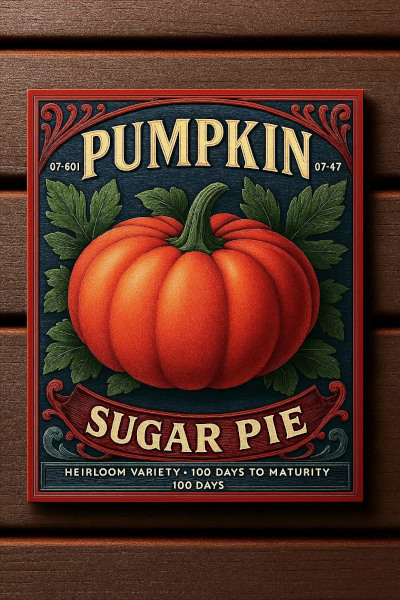
Pumpkin: Protection & Warding
Beyond being a seasonal staple and a holiday centerpiece, the pumpkin—and squash in general—holds a strong position in folklore as a powerful agent of protection and warding. In many rural cultures across Europe and the Americas, the gourd was treated not just as food, but as a living charm. This belief stemmed from the pumpkin's cyclical connection to the harvest and its large, imposing physical presence.
The protective magic of the pumpkin often focused on guarding the home and its inhabitants during periods of vulnerability, specifically the transition from autumn into the darkness of winter. Historically, after the final harvest, the last gourd or squash remaining in the field would be chosen, blessed, and brought indoors. It was then placed strategically near a doorway, a chimney, or a large window to act as a silent, natural sentinel.
In specific folk traditions, the pumpkin was believed to absorb or deflect negative energy. Its round shape was thought to symbolize completeness and safety, creating a barrier that malevolent spirits or generalized bad luck could not penetrate. Some communities even believed that if the protective squash suddenly spoiled or collapsed, it meant the gourd had successfully absorbed a serious misfortune intended for the family.
While the modern **Jack O'Lantern** is used primarily for decoration, its use as a scare tactic against Stingy Jack and other restless spirits is a direct continuation of this older warding tradition. The carved face, often monstrous or grotesque, was intended to scare away the darkness and confusion that descended upon the land during the liminal time of Samhain (Halloween). Carving an illuminated pumpkin is a participatory act of sympathetic magic.
Therefore, the pumpkin’s folkloric significance extends far beyond culinary use or carriage conversion. By placing it in the window or on the porch, we are unconsciously participating in an ancient rite, confirming the pumpkin as one of the most accessible and comforting forms of domestic plant magic. It remains a symbol of security, abundance, and the natural power to keep the darkness at bay.
Related Plants & Seeds
This entry is tied to the history and lore of the following plants in our catalog. Click to view their full profile, guides, and seed options: