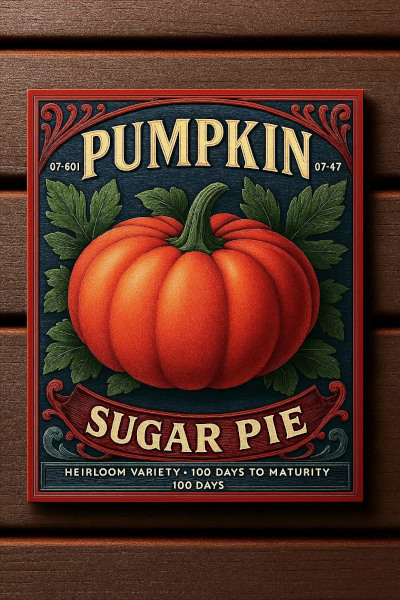
Pumpkin: The Jack O'Lantern's Irish Roots
While the modern Jack O'Lantern is synonymous with the North American pumpkin, this iconic symbol of Halloween has a much older, darker origin rooted in Irish and Scottish folklore. The tradition began not with the bright orange squash we know today, but with carved turnips and potatoes, created to ward off wandering spirits on Samhain, the ancient Celtic festival marking the end of summer.
The name "Jack O'Lantern" comes from the cautionary legend of Stingy Jack, a notorious drunkard and trickster. The story holds that Jack managed to trap the Devil, first in the form of a coin and later in a tree. As part of their bargain, Jack demanded the Devil promise not to claim his soul upon his death. When Jack finally died, he was turned away from Heaven due to his sinful life. When he went to Hell, the Devil—holding fast to the promise—refused him entry as well.
Trapped between worlds, Stingy Jack was cast out into the eternal darkness. The Devil mockingly tossed him a single, glowing lump of burning coal to light his way as he wandered. Desperate to carry the coal without burning his hands, Jack carved a rough lantern out of a **turnip**—the most common root vegetable at hand—and placed the ember inside. He was then forced to roam the earth for eternity, guided only by the flickering light of his turnip lantern.
To honor this chilling legend, and more practically, to scare away Jack and other evil spirits during the harvest season, Irish families would carve terrifying faces into turnips and mangelwurzel beets, placing them near doors and windows. This tradition traveled across the Atlantic when large waves of Irish immigrants came to America in the 19th century, bringing their customs and the carved gourd tradition with them.
Upon arriving in the United States, immigrants quickly discovered that the native pumpkin was far larger, easier to carve, and more readily available than the dense turnip. The tradition quickly adapted, and the humble turnip was permanently replaced by the festive orange gourd. This transformation cemented the American folklore, forever linking the pumpkin to ancient protection spells and the cautionary tale of Stingy Jack.
Related Plants & Seeds
This entry is tied to the history and lore of the following plants in our catalog. Click to view their full profile, guides, and seed options: