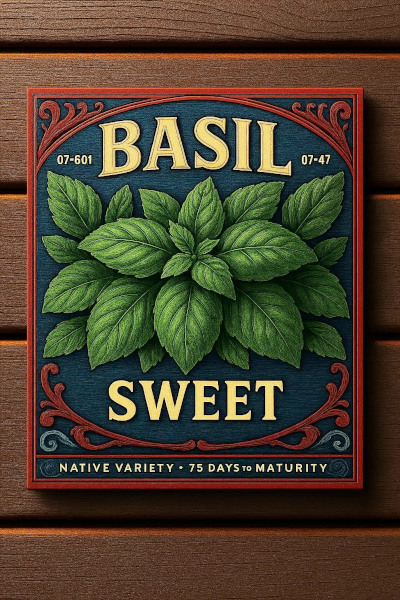
Basil: The Scorned Gift
The sweet, peppery aroma of basil instantly conjures images of sun-drenched Italian kitchens, vibrant pesto, and romantic gestures. For centuries, this beloved herb has been a potent symbol of love, fertility, and hospitality. Yet, the history of Ocimum basilicum is far more complicated—and darker—than its modern culinary fame suggests. Long before it was the star of Caprese salads, basil carried a sinister reputation. In several parts of Europe, particularly in medieval England, basil was not the herb of affection, but a powerful symbol of contempt, ill-will, and the darkest kind of magic. This contradiction makes the common garden basil one of the most fascinatingly dualistic plants in all of plant folklore.
One of the oldest and most persistent pieces of ancient basil belief linked the innocent herb to venom and death. Roman scholars, including the famous natural historian Pliny the Elder, widely documented the terrifying belief that simply smelling basil could lead to the breeding of scorpions in the brain. Other versions of the story held that basil was a favorite of the viper, or that planting the herb in the ground attracted snakes to the garden. This fear of basil breeding poisonous creatures persisted for centuries and explains why, in some circles, basil was treated with intense suspicion rather than culinary delight. This ancient aversion served as a dark foundation for its later, more localized reputation as a bringer of scorn.
The most direct interpretation of basil as a sign of malice comes from medieval English folklore. Here, the simple act of accepting a sprig of basil was interpreted as an insult, a clear signal of hatred, or a harbinger of misfortune. It was considered the "scorned gift," a botanical middle finger offered by an enemy. The herb’s delicate nature might have contributed to this symbolism; it is difficult to grow well in cooler climates, leading to the superstition that its poor growth reflected the lack of warmth or goodwill in the heart of the person receiving it. If the plant withered after planting, it confirmed the malicious intent of the gift-giver. This negative association stands in stark contrast to its positive role as a secret invitation from a lover across the Mediterranean.
Further adding to the plant's dark complexity are the curious basil growing superstition rituals. In regions where it was still grown for medicinal or culinary purposes, growers often believed that the plant would only thrive if it was subjected to intense verbal abuse. To ensure a hearty crop, the gardener was required to curse the seeds, scream obscenities at the plant, or treat it with utter disdain. It was said that only when the herb was planted in anger or nurtured through hate would it reach its full, lush potential. This strange practice suggests that even when cultivated successfully, basil was culturally intertwined with volatile emotions, linking its life force not to joy, but to human rage and misery.
The journey of basil from a plant that bred scorpions to a modern culinary staple is a rich one. Its historical duality—a symbol of passionate love in one country and a harbinger of contempt in another—makes it a truly compelling piece of herb history. Today, we can appreciate the vibrant flavor of basil without fearing vipers or assuming malice in a friend’s gift. When you next crush a leaf between your fingers, remember the complex, contradictory history of this plant: a fragrant reminder that the world of plant folklore is rarely as straightforward as a simple recipe.
Related Plants & Seeds
This entry is tied to the history and lore of the following plants in our catalog. Click to view their full profile, guides, and seed options: