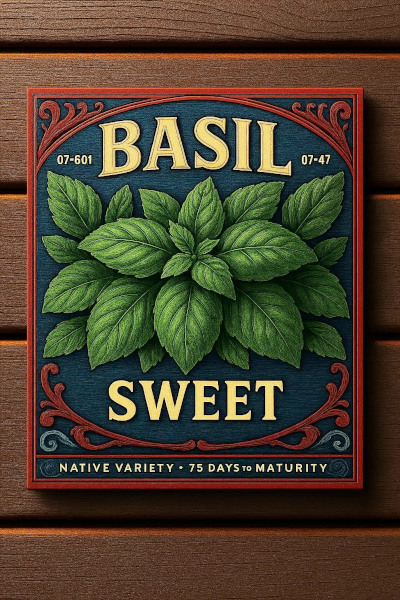
Basil: The Royal Herb
In many parts of Eastern Europe and the Orthodox world, basil is not merely a common culinary herb; it is considered sacred. Known in Greek as Vasilikos (meaning “of the King” or “Royal”), this sweet-scented plant has earned its regal title not from its flavor, but from a profound religious legend dating back to the 4th century. Unlike the folk beliefs about love or scorn, this tradition places basil directly at the foundation of one of Christianity’s most important relics, transforming it into a powerful symbol of holiness, purity, and blessing. This ancient connection solidifies basil’s role as a plant of divine provenance in sacred basil folklore.
The basil True Cross legend begins with St. Helena, the mother of Emperor Constantine the Great, who journeyed to Jerusalem around 326 AD to locate the sites of the Crucifixion and Resurrection. According to the tradition, St. Helena’s search for the True Cross—the actual wooden cross upon which Christ was crucified—was proving fruitless. However, upon arriving at a certain spot, she was greeted by an overwhelming, heavenly fragrance. This powerful scent led her and her company to the exact burial location of the three crosses. It was believed that the sweet, flourishing basil had sprung up from the ground itself, marking the spot where the sacred relic lay hidden. Hence, basil became eternally linked to the ultimate symbol of the Christian faith.
This legendary discovery is the root of the herb's noble Greek name, Vasilikos. Because the plant marked the resting place of the True Cross, it was deemed the herb of Christ, the King. The name could also be seen as an homage to the Queen Mother herself, St. Helena, who discovered the Cross. This royal designation elevated basil’s Greek name meaning far above any other herb, signifying that it was blessed and chosen by God to reveal the hidden truth. For centuries, this name has been used in liturgy, solidifying the plant’s sacred status in the region.
The tradition of basil ritual use continues vigorously today. During the Feast of the Exaltation of the Holy Cross on September 14th, basil plays a central role in Orthodox churches. Altars are lavishly decorated with pots and sprigs of the plant. Furthermore, basil is often tied in bunches and used to sprinkle holy water during sanctification ceremonies, symbolizing the purifying power of the Cross. This practice reinforces the herb’s identity as an agent of spiritual cleanliness, capable of warding off sickness and evil through its consecrated association with the sacred relic.
From a tiny seed to a powerful piece of herb religious history, basil’s journey from the ground to the altar is remarkable. Whether used to bless a home, decorate an icon, or mark a sacred feast day, the Royal Herb remains a tangible connection to the ancient past. It serves as a reminder that the divine is often found in the most humble of places, and that a small, fragrant leaf can carry the weight and significance of kings and holy relics. When we cultivate basil seeds, we are nurturing not just a culinary plant, but a living tradition of faith and history.
Related Plants & Seeds
This entry is tied to the history and lore of the following plants in our catalog. Click to view their full profile, guides, and seed options: