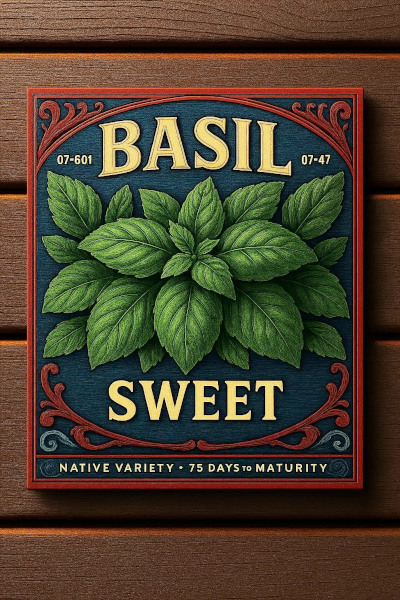
Basil: The Jealous Lover's Burial
For a plant associated with romance and hospitality, basil is also the star of one of the most tragic and macabre love stories in Western literature. This dark piece of folklore, famously told by Giovanni Boccaccio in The Decameron and later immortalized in poetry by John Keats, transforms the fragrant herb into a morbid symbol of undying grief, betrayal, and obsession. In this tale, the lush vitality of the basil plant is rooted not in sunlight and water, but in murder and sorrow. This powerful legend ensures that the sweet scent of Ocimum basilicum carries a reminder of passionate love that ends in tragic plant betrayal folklore.
The tragic myth centers on the young Sicilian woman, Isabella, and her secret lover, Lorenzo. Isabella came from a wealthy merchant family whose brothers had grand, ambitious plans for her marriage. When they discovered her passionate, secret affair with Lorenzo, who was merely a clerk, their greed and pride were wounded. Seeing Lorenzo as a threat to their social standing and financial designs, the jealous brothers lured him out of the city under false pretenses and murdered him, burying his body in a desolate spot. They then returned to Isabella with a fabricated story of their lover having traveled away on a sudden, long business trip, hoping to erase him from her memory.
Isabella, consumed by grief and convinced of her brothers’ deceit, was visited in a dream by the ghost of Lorenzo. His spectral form revealed the truth: his murder and the location of his unmarked grave. Driven mad by love and sorrow, Isabella secretly went to the spot, dug up the remains of her beloved, and—unable to take the entire corpse—severed his head. She carried it back home, washing it with her tears before carefully placing it inside a beautiful, large earthenware pot. She then planted basil seeds over the head, creating a macabre monument to their secret, murdered love.
The basil plant flourished with impossible speed, growing into a magnificent, lush specimen with a fragrance more intense and sweet than any other herb in the city. The vitality of the plant was explained by the fact that it was literally nourished by Isabella’s grief and the sorrowful essence of her lover’s decaying head. Isabella would spend hours every day bent over the pot, weeping and mourning, her tearful devotion acting as the plant's constant, nourishing water. The brothers eventually grew suspicious of their sister’s obsessive care for the plant and, curious about the pot's unearthly scent, they stole it and dug through the soil, horrifyingly discovering the head and the truth of their sister's macabre devotion. This dark folklore solidified the link between basil and undying romantic obsession.
The power of the "Jealous Lover's Burial" myth lies in its perfect use of the basil plant. The herb's potent aroma, often associated with life and passion, here becomes a mask for death and corruption. Its lush growth symbolizes a love so strong it transcends mortality, blooming beautifully despite the violence that created it. This dark narrative reminds us that plant folklore is not always about pleasant superstitions; sometimes it tells the brutal story of human emotion and betrayal. When you next smell the potent, sweet aroma of basil, remember this tragic tale: the plant that became the secret, fragrant guardian of a murdered lover's tomb.
Related Plants & Seeds
This entry is tied to the history and lore of the following plants in our catalog. Click to view their full profile, guides, and seed options: