Sugar Beets
Beta vulgaris
Overview
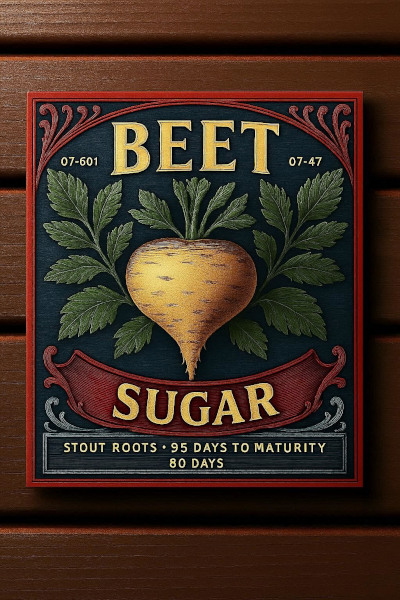
The Hidden Source of Modern Sugar
The Sugar Beet is an industrial crop grown primarily for its high sucrose content, making it a major competitor to sugarcane globally. The root itself is large, conical, and white, resembling a parsnip or a very large carrot. It typically contains between 16% and 20% sucrose by weight.
This crop requires deep, rich, well-drained soil and a long, cool growing season to maximize sugar production. Unlike crops grown for fresh consumption, the goal of the Sugar Beet grower is to maximize the solid content and purity of the sugar stored within the taproot.
Climate and Cultivation
Sugar beets thrive in temperate climates. They are often planted early in the spring and harvested late in the fall after cooler temperatures (near freezing) cause the plant to convert starches into sugars, concentrating the final yield.
General Grow Information
| Property | Value |
|---|---|
| Use | Sugar Production, Forage |
| Root Color | White |
| Plant Height (Foliage) | 12-18 in |
| Plant Spacing | 6-10 in |
| Row Spacing | 20-30 in |
| Sunlight Needs | Full Sun (8+ hours) |
| Sprouting Time | 7-14 days |
Plant Care and Cultivation
- Deep Soil Preparation: The root needs to grow deep and uninhibited. Ensure the soil is loosened at least **12-18 inches** down before planting to prevent forking and maximize root size.
- Thinning is Essential: Since beet seeds often contain multiple embryos, it is critical to thin seedlings to the proper spacing when they are small (2-4 true leaves) to ensure large, uniform root growth.
- Watering: Needs consistent moisture, especially during the early stages of root expansion. However, water stress toward the end of the season can help concentrate the sugar.
- Harvest Timing: For maximum sugar content, harvest after the first few light frosts. The chilling temperatures trigger a physiological response that significantly increases the sucrose percentage.
The Role of Cold
Cold temperatures are not a hazard but a requirement for peak sugar development. The plant converts starches stored in the root into sugars to protect the tissue from freezing, making late-season harvesting crucial.Nutrient Requirements
Sugar beets have a high demand for potassium (K) and boron (B). Boron deficiency, specifically, can lead to "heart rot" and significantly reduce the yield and quality of the sugar content.Recipes Featuring Sugar Beets
No recipes featuring this plant have been added yet. Check back soon!